
What to Do If You Get Pulled Over for a DUI in Texas: Legal Rights and Steps to Follow
Written by: Robert R. Flores, Esq. on March 12, 2026
Getting pulled over on suspicion of driving under the influence (DUI) can be scary and confusing. Many people don’t know exactly what to do or say when faced with flashing police lights, which can lead to mistakes that hurt their case later. This guide breaks down step-by-step how to handle a DUI stop in Texas, explaining your rights and important actions so you stay calm, clear-headed, and protected from the very first moment.
If you are pulled over for a suspected DUI in Texas, remain calm, pull over safely and promptly, and be polite and cooperative with the officer without volunteering unnecessary information. You have the right to refuse field sobriety tests at the scene but must comply with chemical testing under Texas implied consent laws after arrest; immediately contacting an experienced DUI attorney can help protect your rights and build an effective defense.
Handling the Initial Traffic Stop
When those flashing lights appear behind you, your very first priority is to find a safe and well-lit spot to pull over. It may feel natural to immediately stop wherever you are, but taking a moment to signal properly and carefully move to a designated area not only keeps you safe but also shows the officer that you’re cooperating from the start. Using your turn signal before pulling over communicates your intent clearly, preventing misunderstandings or unnecessary tension.
Once stopped, it’s crucial to take visible and deliberate actions. Switch off your car engine completely, this gesture signals that you’re not planning any sudden moves. Lowering your window fully ensures smooth communication without forcing an officer to lean in or ask repeatedly. Placing your hands on the steering wheel where they’re plainly visible is more than a courtesy; it’s a subtle assurance of transparency. Officers rely heavily on body language to gauge a situation, so keeping your hands steady and visible reduces their suspicion and helps keep things calm.
Speaking of communication, what you say next matters greatly. Avoid volunteering unnecessary information about whether you’ve been drinking, where you’re coming from, or why you might be nervous. Simple answers like “Yes, officer” or “No, officer” accompanied by a respectful tone go a long way. Remember, keeping your responses short and polite doesn’t mean you’re being evasive, it means you’re protecting your rights prudently.
Another key point is to inform the officer slowly and clearly if you need to reach for something like your driver’s license or registration. Sudden movements could raise concerns, so calmly state where your documents are and then reach for them deliberately. This small step helps avoid misinterpretation and makes the interaction smoother.
“Cooperating politely while calmly asserting your rights is a delicate balance, but one that every Texas driver should master.”
Beyond just what you do and say, attitude plays an essential role during this encounter, so let’s review some tips on maintaining composure throughout the stop.
Interacting with the Police
When a police officer approaches your vehicle after pulling you over, every word and action can shape what comes next. It's essential to maintain a calm and respectful demeanor. This doesn’t mean you have to volunteer information or admit anything beyond what is legally required.
For example, when asked if you've been drinking, it is wise not to give a direct yes or no response. Saying something neutral like “I’m not sure” or “I’d rather not answer” firmly protects your rights without provoking suspicion.
It’s a common misconception that being excessively cooperative will guarantee goodwill or even innocence in the officer's eyes. However, revealing too much can unintentionally create complications. Officers are trained to observe not only your behavior but also your words for anything that might support probable cause.
Therefore, striking a balance by being respectful without oversharing is always your best course of action.

Documentation, Please
When the officer asks for your driver’s license, vehicle registration, and proof of insurance, remain composed. Retrieving these documents carefully and deliberately helps avoid any misunderstandings about sudden movements that an officer might interpret as suspicious or threatening.
Rather than fumbling quickly through your glove box or wallet, slow movements show cooperation and ensure both your safety and theirs.
Remember: providing these documents is not optional, it’s a legal requirement, but everything else you say beyond that point should be measured and minimal.
It’s important to note that despite being polite, you do retain the right to remain silent about other questions regarding your activities or alcohol consumption.
If you feel uncomfortable answering certain queries, calmly stating, “I prefer not to answer,” respects your legal boundaries while maintaining civility.
Your behavior at this stage sets a tone for what follows, whether you face further testing or potentially an arrest. As tempting as it may be to explain yourself fully, remember every spoken word could be used against you later during investigation or trial.
Understanding how to interact calmly and strategically with police officers lays the groundwork for handling more specific challenges ahead, particularly when faced with requests for roadside sobriety testing.
Roadside Test Procedures and Refusals
In Texas, the law does not require you to submit to field sobriety tests during a traffic stop. These are the tasks officers often ask drivers to perform: walking in a straight line, standing on one leg, or following an object with their eyes.
While they might seem straightforward, these tests are inherently subjective, officers interpret balance, coordination, and eye movement through their own judgment. This assessment can be influenced by factors unrelated to intoxication, such as nervousness, uneven surfaces, or physical disabilities. For this reason, it is usually wise to politely decline participation.
A simple statement like, "I’d rather not do any tests until I speak to my lawyer," establishes your right without escalating the situation.
Choosing to refuse field sobriety tests may result in arrest because officers could suspect intoxication based on the refusal itself. Yet, ironically, performing poorly on these tests is more commonly used as evidence against you in court than a refusal alone.
By declining politely and clearly, you avoid providing additional opportunities for self-incrimination while keeping control of your legal strategy.
At this point, an officer might request that you take a preliminary breathalyzer device test on the roadside. This portable breath test provides an early indication of blood alcohol concentration (BAC).
However, refusing this test triggers immediate consequences: under Texas’s implied consent laws, your driver’s license can be suspended without a hearing through Administrative License Revocation (ALR).
This law recognizes that by obtaining a driver’s license in Texas, you have implicitly agreed to submit to chemical testing if arrested on suspicion of intoxication.
Breathalyzer and Blood Tests
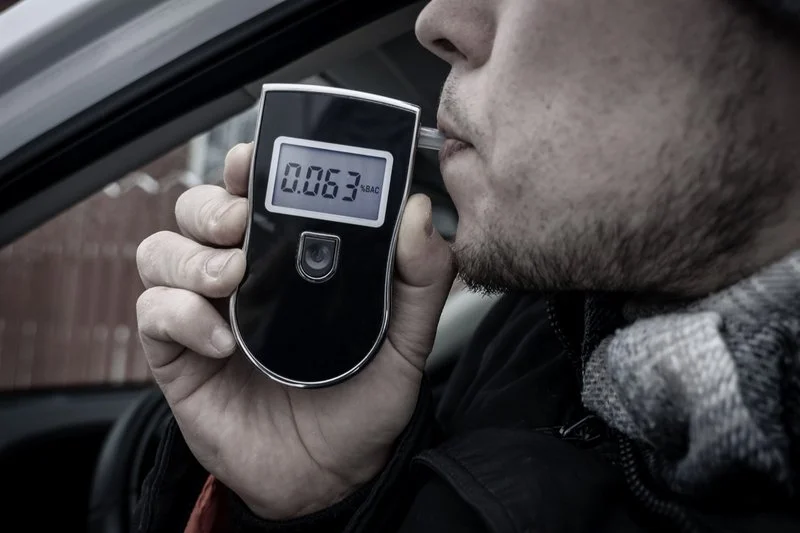
Once officially arrested for driving under the influence (DUI), Texas law mandates that you submit to either a breath or blood test administered by law enforcement or medical personnel.
Failure to comply with this requirement can expedite your license suspension, typically lasting from 180 days up to two years, and serve as evidence against you in subsequent legal proceedings.
It is crucial to understand that even though you must submit to these tests after an arrest, you do not have the right to consult an attorney before taking them.
The logic behind implied consent is designed to streamline enforcement of DUI laws but can present a difficult choice for accused individuals.
On one hand, refusing roadside or preliminary breath tests can provoke immediate administrative consequences without providing concrete evidence of impairment; on the other hand, submitting may generate damaging BAC results that directly impact your case.
An important note here involves forced blood draws.
If you refuse chemical testing post-arrest, police can seek a warrant from a judge authorizing compelled extraction of blood samples.
This process takes time and introduces potential legal challenges regarding how recent the sample reflects impairment levels at the driving time, a nuance skilled attorneys will scrutinize closely during defense preparations.
If you find yourself in this predicament, remain calm and respectful throughout all interactions. Always invoke your right to counsel when possible but remember that during roadside and initial post-arrest testing phases, immediate consultation may not be legally guaranteed.
Contacting an experienced DWI defense attorney promptly afterward greatly improves your chances of safeguarding rights and challenging prosecution strategies effectively.
“The decision on whether to take roadside sobriety or breath tests is a complex legal crossroads where knowledge and composure are your strongest tools.”
Armed with this understanding of roadside testing protocols and your rights around refusals and chemical analyses, you’ll be better equipped to handle challenging encounters with law enforcement.
Next, we examine what happens after arrest, procedures that heavily influence the course of your defense and legal options moving forward.
Steps After Arrest
Once you’re in police custody following a DUI arrest, the landscape of your situation changes dramatically. It’s no longer about cooperation on the roadside but safeguarding yourself legally. The most important thing to remember in this stressful moment is that you have the right to remain silent, and it’s in your best interest to exercise it fully. Talking without a lawyer present can unintentionally provide evidence against you, so say clearly and calmly that you want to contact your attorney before answering any questions.
This request isn’t just a formality; it’s your legal shield. You should urge the officer to allow you a phone call specifically to speak with a qualified DUI lawyer. An experienced attorney understands how the police process works, the common pitfalls in DUI arrests, and how to navigate both the technical and procedural aspects that will play a critical role in your case.
Beyond securing legal counsel, another essential step is to document everything you can recall about the arrest incident. Write down details like the officer’s name and badge number, where and when you were stopped, and what exactly happened during the stop and arrest process. These notes can prove invaluable later on because memories fade, officers may give conflicting accounts, and court proceedings rely heavily on factual precision.
Equally important is understanding exactly what charges you face once formal paperwork is presented. Ask for copies or information regarding your current legal standing: Are you being charged with standard DUI? Are there aggravating factors such as elevated blood alcohol content or multiple prior offenses? Being clear on this helps you and your lawyer prepare an appropriate defense strategy rather than moving forward blindly.
“The difference between winning and losing often hinges on what happens immediately after an arrest. Prompt legal action and thorough documentation set the foundation for success,” says Robert R. Flores, lead attorney at Robert Flores Law Firm.
It’s wise to act quickly, not out of panic but deliberately, to contact an attorney who specializes in DUI defense in Texas. Attorney Robert R. Flores’ office is reachable 24/7 for urgent situations like jail visits, reflecting just how time-sensitive these matters are. Waiting too long before speaking with a professional can limit your options for challenging evidence or negotiating plea deals.
With clarity on these immediate steps after a DUI arrest, understanding how to select an attorney skilled in navigating these complex cases becomes paramount. Knowing what qualities to look for will empower you to find guidance tailored precisely to your needs.

Choosing the Right Lawyer
Picking the right attorney can change the entire trajectory of your DUI case. You want someone who understands Texas law inside and out, not just a generalist but a specialist in DUI defense. These cases involve complex legal nuances: from breathalyzer challenges to questioning field sobriety tests, each detail matters greatly.
An experienced lawyer familiar with local courts, judges, and prosecutors knows how to craft effective defenses and when to negotiate or push for trial.
The attorney’s experience goes beyond just years practicing law; It’s about handling cases like yours repeatedly and understanding what arguments hold up in court and which don’t.
For instance, Attorney Robert R. Flores at rrfloreslaw.com has built a reputation on such precise, technical skill combined with strategic judgment. His background includes thousands of cases handled, which means you benefit from knowledge built through real courtroom battles rather than theory alone.
Beyond experience, look for responsiveness and clear communication. Your lawyer should explain every step clearly and keep you informed throughout your case. Feeling heard and understood isn’t a luxury here, it’s critical, since decisions made early can affect outcomes later on.
Additionally, find someone available when you need them, including urgent situations like jail visits or post-arrest processes, because timing is often everything in DUI defense strategy.
"Choosing Mr. Flores was the best decision," says one former client, highlighting not just his legal expertise but also his dedication and personalized attention, two qualities that make navigating an intimidating process far less daunting.
With a skilled advocate by your side, you move forward more confidently into preparing for the legal challenges ahead. Understanding this foundation sets the stage for examining how courts handle these cases and what penalties might be involved.
Preparing for Court and Penalties
Facing a DUI charge in Texas means stepping into a legal world that can feel intimidating and complex. Preparation becomes your anchor, helping you reduce anxiety while allowing your lawyer to build the strongest possible defense. First and foremost, never miss a court date. It sounds simple, yet it is critical, missing even one hearing risks an immediate arrest warrant, which can complicate everything. Each appearance is a chance to show respect for the legal process, which judges notice and consider when making decisions.
Beyond attendance, it's essential to closely follow your attorney’s advice throughout the proceedings. Your lawyer understands courtroom dynamics and how your words or demeanor can influence the case. This guidance often covers how to conduct yourself respectfully, how to answer questions without volunteering damaging information, and when to remain silent. These strategies are not just procedural, they directly impact the outcome of your case by showcasing responsibility and cooperation.
Gathering relevant evidence is another vital piece of preparation. This includes working with your lawyer to locate any surveillance videos, witness statements, or traffic reports that might support your version of events or call into question the circumstances of your stop and arrest. Evidence gathering requires patience and attention to detail because strong supporting facts can tip the scales in your favor or open doors for plea negotiations.
According to Texas state records, defendants who enter court well-prepared and represented by seasoned DUI attorneys secure more favorable outcomes significantly more often than those who do not. The court system respects readiness, it reflects seriousness and enables lawyers to better negotiate reduced charges or alternative sentencing.
The legal battle in court is only one part of this journey; knowing what penalties you may face helps brace you mentally and financially for life after the verdict.
Texas DUI penalties vary widely depending on factors such as your blood alcohol concentration (BAC), prior offenses, whether an accident occurred, and if injuries were involved. Penalties can range from fines, license suspension, mandatory education programs, community service, probation, or even jail time. Understanding these consequences ahead of time allows you to prepare realistic plans for transportation alternatives or budget arrangements. It also puts you in a better position to have informed conversations with your lawyer about plea bargains or alternative resolutions that protect your future.
For instance, first-time offenders often face administrative penalties like driver’s license suspension under Texas’ Administrative License Revocation program, meaning your license can be taken even before your trial concludes if you refused testing after being arrested. This kind of detail highlights why early action, like hiring a skilled attorney right after arrest, is critical for protecting rights and minimizing collateral damage beyond the criminal charges themselves.
Your best course of action includes staying engaged with every step of the judicial process while leaning on professional legal counsel that understands nuances in Texas law related specifically to DUIs. That guidance will help clarify complex technicalities like implied consent laws, breathalyzer challenges, or how prior convictions compound penalties.
Every moment counts when preparing for court, it’s as much a mental battle as it is legal. Having clear knowledge about what lies ahead empowers you to make strategic decisions instead of reacting impulsively under duress.
Remember that preparation isn’t a one-time effort but an ongoing commitment until your case resolves; attending all mandated classes or meetings ordered by the court is part of demonstrating responsibility that could weigh positively during sentencing or post-conviction hearings.
Always keep open communication lines with your attorney, ask questions whenever anything feels unclear about upcoming procedures or potential consequences. Staying informed turns uncertainty into actionable steps toward safeguarding both your freedom and future stability in these challenging times.
Being prepared and proactive can profoundly influence the trajectory of a Texas DUI case and help protect your rights at every stage. Partnering with experienced legal counsel ensures you’re not navigating this complex process alone.
If you have been pulled over for a DUI and need representation near McAllen or Raymondville, Texas, we can help! Give us a call at (956) 329-1099 to schedule your free consultation! We are open 24 hours a day
